
Most patients tear their achilles tendon playing sports such as soccer, squash or tennis. Nearly always the injury is significant, with patients describing hearing or feeling a loud snap, and feeling like someone hit them in the back of their ankle. This will be following by significant swelling at the back of the ankle, and some weakness. It is not always that painful.
The history is usually very helpful, and an experienced doctor will be able to palpate a gap in the tendon, between 4 – 8 cm above the heel bone. An ultrasound is easy to obtain, and will be very accurate at confirming the diagnosis.
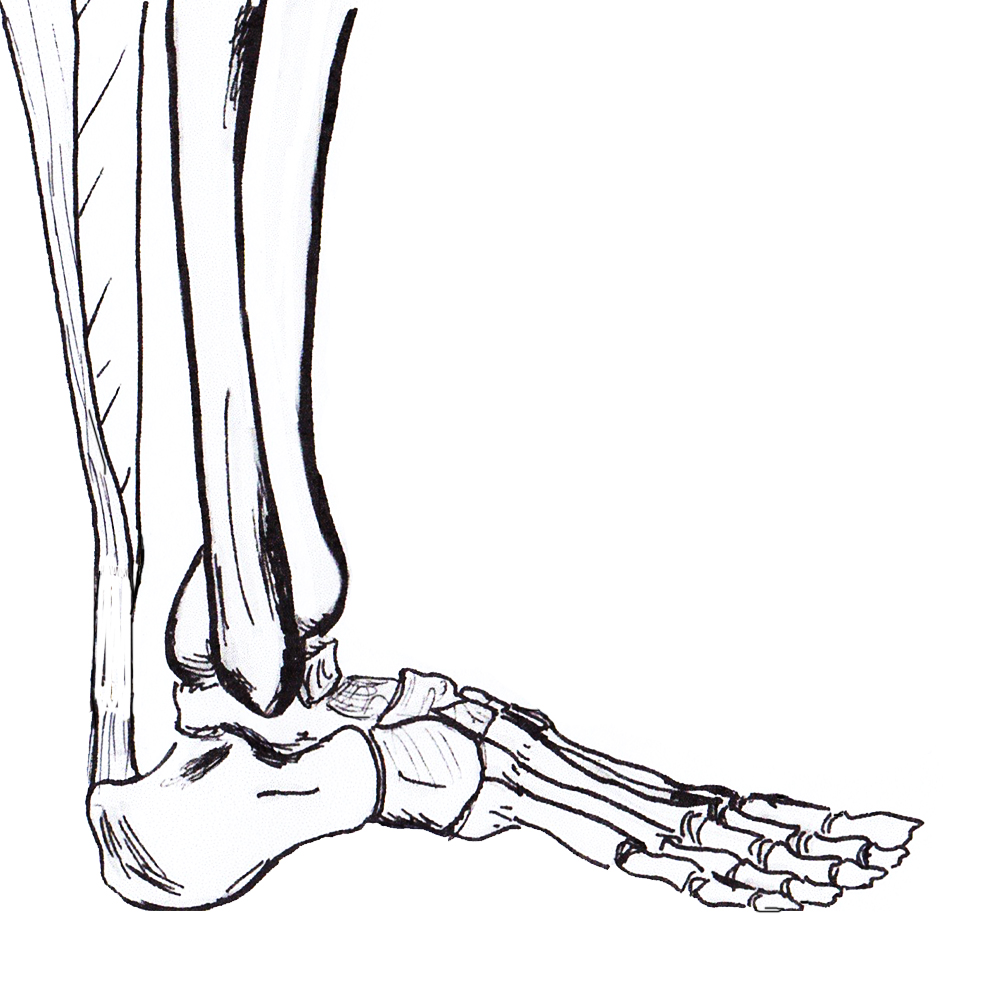


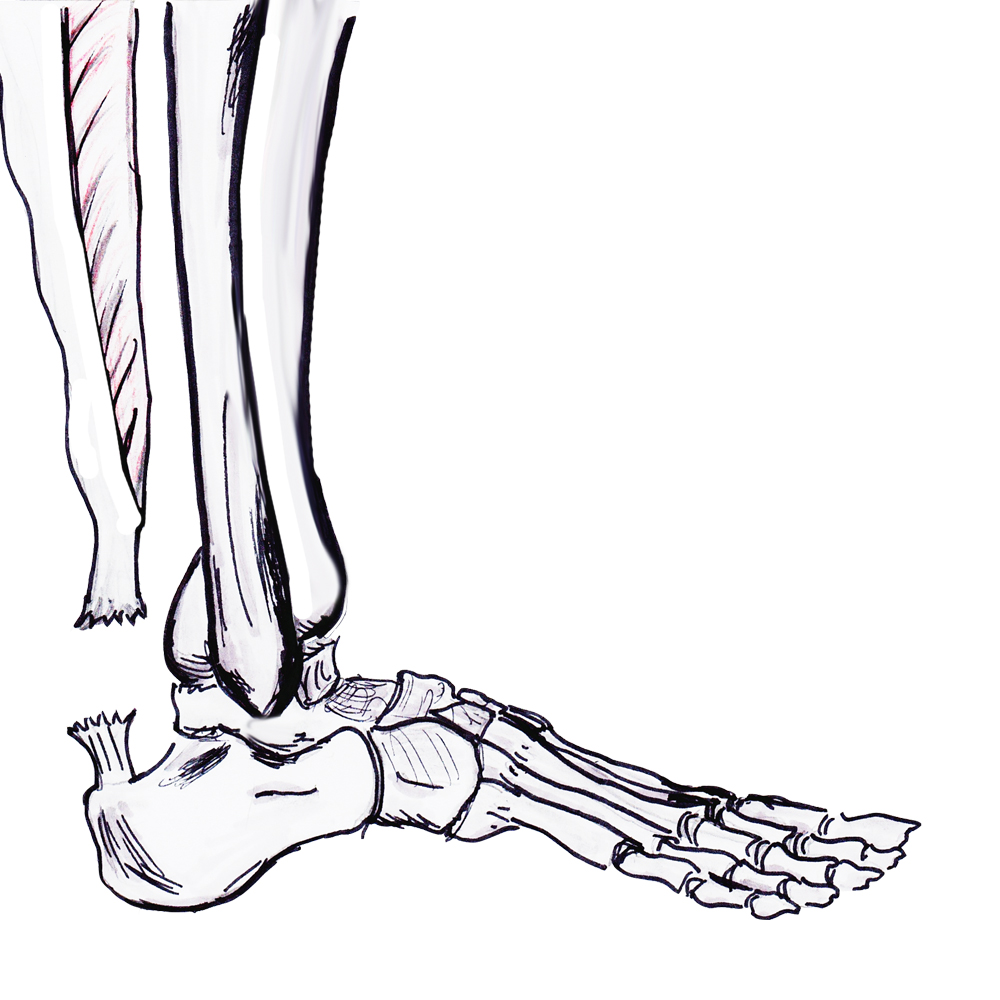
Achilles tendon tears can be treated with or without surgery. There is good evidence that outcomes with regards to strength and re-rupture rates are the same when these injuries are treated without surgery. Nonoperative treatment also avoids the most significant risk after surgery, which is infection, wound breakdown, and the need for major skin grafting procedures.
It is imperative to be place in a cast immediately, with the foot pointing down. This allows the two ends of the tendon to be in contact for optimal healing. After two weeks in a cast, patients are placed in a boot with a 4-6 cm heel raise, and allowed to fully weight bear for a further 6 weeks. After this time, the boot is removed, and rehab commenced, which is necessary for 6 months minimum. It can take at least 12 months to recover from this injury.
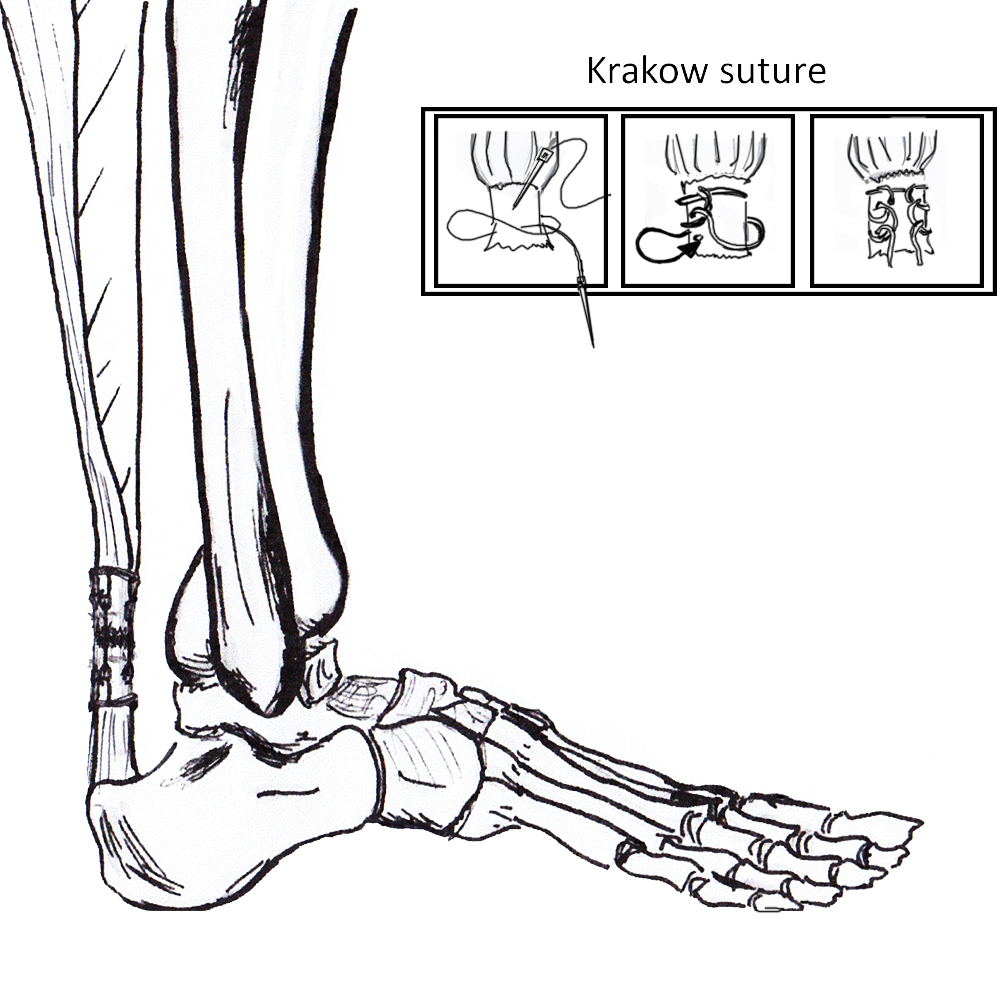
Surgery is occasionally considered in athletes, in those who have failed nonoperative treatment, or in those with delayed presentation and suboptimal treatment. Again, the main risk is infection and skin breakdown, which can be extremely difficult to manage. Patients who are older, those who smoke or those who have diabetes should avoid this surgery. The postoperative management is exactly the same as those treated without surgery, with the same timelines.
 Dr. Tim Dwyer